Table of Contents
- Why Silicone Bathroom Accessories Are More Hygienic Than Traditional Materials
- Silicone vs Plastic Toilet Brush Hygiene: What the Difference Means for Your Bathroom
- How to Clean a Silicone Toilet Brush Properly
- Preventing Bacteria Growth in the Bathroom With the Right Accessories
- The Non-Porous Advantage: Why Silicone Resists Moisture and Mould
- Durability and Long-Term Hygiene: Why Silicone Lasts Longer
- Making the Switch to Silicone: A Practical Guide
- Frequently Asked Questions
Last Updated: 2 October 2026
Why Silicone Bathroom Accessories Are More Hygienic Than Traditional Materials
When you're choosing a toilet brush, hygiene matters more than aesthetics. Yet most households still use traditional bristle brushes that trap bacteria, harbour moisture, and degrade after a few months. Silicone bathroom accessories offer a fundamentally different approach, one that addresses the core hygiene problem traditional materials simply cannot solve.

The difference comes down to material science. Unlike plastic or natural bristles, silicone is non-porous, meaning it doesn't absorb water, bacteria, or cleaning chemicals. This single property transforms how your bathroom accessories perform over time. A traditional brush becomes a breeding ground for microorganisms within weeks. A silicone brush stays genuinely clean because nothing can embed itself into the material.
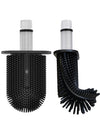
At Moostar, we've engineered our toilet brushes around this principle. Our silicone brush heads are designed to rinse completely clean and dry fast, eliminating the damp, bacterial environment that plagues conventional brushes. The flexible silicone bristles reach corners and rims that stiff brushes miss, while the non-porous structure means they stay hygienic between uses.
This guide explores why silicone bathroom accessories are more hygienic, how to maintain them properly, and why they represent a smarter long-term investment for any household concerned with cleanliness.
Silicone vs Plastic Toilet Brush Hygiene: What the Difference Means for Your Bathroom
Plastic and silicone might seem similar at first glance, but their hygiene profiles are entirely different. Plastic bristles are porous, they have tiny gaps and channels that absorb water and trap bacteria. Once moisture seeps into a plastic brush, it stays there. The bristles remain damp between uses, creating an ideal environment for mould, mildew, and bacterial growth.
Silicone, by contrast, is completely non-porous. Water doesn't absorb into the material; it runs off. This means a silicone brush dries faster and stays genuinely dry between cleaning sessions. There's nowhere for bacteria to hide or multiply. Research from the NHS on bathroom hygiene and bacterial growth confirms that moisture control is one of the most effective ways to prevent microbial colonisation in household cleaning tools.
The practical difference becomes obvious within a few weeks. A plastic brush develops a musty smell, that's bacterial colonies establishing themselves in the damp bristles. A silicone brush doesn't. It remains odour-free because the material itself resists bacterial attachment. This isn't marketing hype; it's basic material chemistry. Bacteria need a porous surface to anchor themselves. Silicone denies them that foothold.
Another key difference: durability under repeated cleaning. Plastic bristles become soft and splayed after regular use, reducing their cleaning effectiveness and creating more surface area for bacteria to colonise. Silicone bristles maintain their shape and firmness, meaning they clean more effectively for longer and remain genuinely hygienic throughout their lifespan.
How to Clean a Silicone Toilet Brush Properly
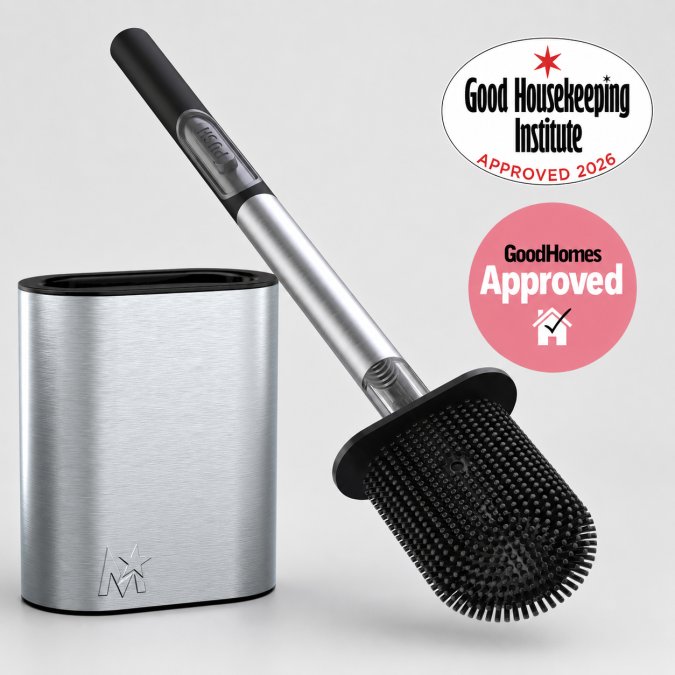
Proper maintenance is straightforward with silicone, which is one of its key advantages. Unlike traditional brushes that require special care to prevent bacterial growth, silicone cleans itself effectively with basic rinsing.
Daily Rinsing and Drying
After each use, rinse the silicone brush head thoroughly under hot running water. The non-porous material means water flows straight through the bristles without being absorbed. Shake off excess water and return the brush to its holder. Because silicone dries quickly and completely, the brush will be dry within hours, eliminating the damp environment where bacteria thrive.
This simple daily routine is all most households need. The silicone won't retain moisture, odours, or bacterial residue. You're not fighting against the material's properties; you're working with them.
Weekly Deep Cleaning
Once a week, give your silicone brush a deeper clean. Soak the brush head in a solution of hot water and white vinegar (equal parts) for 15-20 minutes. Vinegar naturally disinfects without harsh chemicals. Scrub the bristles gently with an old toothbrush to dislodge any debris, then rinse thoroughly under hot water.
For households with hard water or mineral buildup, this weekly vinegar soak keeps the bristles looking and performing like new. The non-porous silicone won't absorb the vinegar solution, so there's no risk of chemical residue or odour lingering afterwards.
Alternatively, you can place the silicone head in the dishwasher on a hot cycle. Most silicone brush heads are dishwasher-safe and come out completely clean and sanitised. This removes the need for manual scrubbing and ensures thorough heat disinfection.
Preventing Bacteria Growth in the Bathroom With the Right Accessories
The foundation of bathroom hygiene is choosing materials that naturally resist bacterial colonisation. Silicone does this better than any alternative commonly used in household cleaning tools.
Bacteria require three things to thrive: moisture, organic matter (like soap residue or debris), and a porous surface to anchor themselves. Traditional brushes provide all three. A silicone brush eliminates one of those requirements entirely, the porous surface. Even if moisture and debris are present temporarily, bacteria cannot establish a foothold on a non-porous material.
This is why research from the British Medical Journal on household hygiene practices emphasises material selection as a primary strategy for reducing bacterial contamination in bathrooms. The material itself matters more than cleaning frequency.
Replacement Silicone Toilet Brush Head – Fits All Moostar Brushes →
Beyond the brush itself, silicone contributes to overall bathroom hygiene in another way: it dries completely. A damp toilet brush holder creates humidity, which promotes mould growth on surrounding surfaces. Silicone brushes dry fast enough that the holder stays relatively dry, reducing moisture-related mould problems in the bathroom.

When you choose silicone, you're not just choosing a cleaner brush. You're choosing a material that actively works against bacterial growth rather than enabling it.
The Non-Porous Advantage: Why Silicone Resists Moisture and Mould
Non-porosity is the defining advantage of silicone in bathroom environments. Water and moisture are unavoidable in any bathroom, but they don't have to create hygiene problems.
Porous materials, wood, natural bristles, most plastics, absorb moisture like a sponge. Once water enters the material, it's trapped there. Evaporation is slow, and the interior remains damp. This damp interior is where mould spores germinate and bacteria multiply. You can rinse the outside of a porous brush all you like, but the inside stays wet and contaminated.
Silicone doesn't work this way. Its molecular structure has no gaps or channels for water to penetrate. When you rinse a silicone brush, water sits on the surface and runs off. Nothing is absorbed. The material dries completely within hours because there's nothing trapped inside to evaporate.
This property also means silicone resists mould growth far more effectively than traditional materials. Mould needs moisture and a porous substrate to establish itself. Silicone provides neither. Even in humid bathrooms or poorly ventilated spaces, a silicone brush won't develop the black mould spots that plague traditional brushes.
Additionally, silicone doesn't degrade when exposed to moisture over time. Plastic becomes brittle, wood swells and warps, natural bristles soften and fray. Silicone remains stable. Year after year, it performs the same way because the material itself isn't being damaged by the bathroom environment.
Durability and Long-Term Hygiene: Why Silicone Lasts Longer
Hygiene isn't just about what happens today, it's about what happens over months and years. A brush that degrades quickly becomes unhygienic quickly. Silicone's durability directly supports long-term hygiene.
Traditional brushes typically last 3-6 months before they need replacing. The bristles become soft and splayed, cleaning effectiveness drops, and bacterial colonisation becomes heavy. At that point, you've got no choice but to buy a new brush.
A silicone brush lasts significantly longer because the material doesn't degrade. The bristles don't soften or fray. They maintain their shape and firmness for years. This means you're not constantly replacing your brush, and more importantly, you're not cycling through multiple contaminated brushes.
Moostar's silicone brushes feature replaceable heads, which extends the lifespan even further. When a head eventually shows signs of wear (typically after 1-2 years of regular use), you simply click off the old one and fit a new Replacement Silicone Toilet Brush Head (£9.99). The handle and holder remain unchanged. This approach is more economical than buying entire new brushes repeatedly, and it means you're maintaining peak hygiene standards without unnecessary waste.
The durability also means consistent cleaning performance. A brush that maintains its bristle firmness cleans more effectively throughout its lifespan.
Making the Switch to Silicone: A Practical Guide
If you're currently using a traditional brush and considering switching to silicone, the transition is straightforward. Here's what to expect and how to make the most of it.
| Aspect | Traditional Brush | Silicone Brush |
|---|---|---|
| Porosity | Porous (absorbs water and bacteria) | Non-porous (water runs off) |
| Drying Time | Slow (remains damp for hours) | Fast (completely dry within hours) |
| Bacteria Growth | Rapid (ideal damp environment) | Minimal (no porous surface to colonise) |
| Lifespan | 3-6 months | 1-2 years (with replaceable heads) |
| Cleaning Effectiveness | Decreases over time | Remains consistent |
| Mould Resistance | Poor | Excellent |
Frequently Asked Questions
Are silicone toilet brushes more hygienic than plastic bristles?
Yes. Silicone is non-porous, meaning it doesn't trap water, soap residue, or bacteria like plastic bristles do. Plastic bristles are hollow and absorbent, creating ideal conditions for mould and bacterial growth. Silicone dries completely and rinses clean without harbouring pathogens, making it significantly more hygienic for long-term bathroom use.
How do you clean silicone bathroom accessories effectively?
Rinse the silicone head under hot running water after each use and allow it to air dry completely. Weekly, soak it in a solution of white vinegar and water (1:1 ratio) for 15 minutes to eliminate any residual bacteria. For replaceable heads like those on Moostar brushes, you can swap in a fresh head when wear becomes visible, ensuring your cleaning routine stays hygienic without replacing the entire brush.
Does silicone harbour bacteria in the bathroom?
No. Silicone's non-porous surface prevents bacteria from embedding into the material. Unlike traditional bristles, which absorb moisture and create breeding grounds for germs, silicone sheds water quickly and dries completely. This means bacteria cannot establish colonies on the surface, making silicone one of the most bacteria-resistant materials for bathroom accessories.
Why is silicone better for damp bathroom environments?
Bathrooms are inherently damp, and moisture is the enemy of hygiene in traditional materials. Silicone resists moisture absorption entirely, preventing mould, mildew, and bacterial growth that thrive in wet conditions. It also dries faster than porous materials, reducing the time any pathogens could potentially survive on the surface. This makes silicone ideal for maintaining a hygienic bathroom over the long term.