Quick Summary
Replaceable heads let bathroom retailers and customers keep the handle and holder in use while swapping only the worn part. Moostar's replacement silicone head clicks on and off in seconds, fits the whole range, and is priced at £9.99. Replacing it every three months keeps the brush hygienic.
- The silicone head clicks off the handle and a new one clicks on in seconds, with no tools.
- Moostar recommends replacing the head every three months, or sooner if the bristles look worn.
- The £9.99 replacement head fits every Moostar toilet brush across the range.
- Rinse the head after each use, shake off excess and air dry it on the holder.
- The Black and Stainless Steel Bundles each include a spare head, priced at £25.88.
Table of Contents
- Why Replaceable Heads Matter for Bathroom Retailers
- How a Replaceable Silicone Head Works
- How to Clean a Toilet Brush Between Head Changes
- How Often to Replace a Toilet Brush Head
- Why a Soap-Dispensing Toilet Brush Simplifies Stocking and Upkeep
- Pros and Cons of the Replaceable Head System
- Stocking Replacement Heads and Setting Up Hygienic Storage
- Frequently Asked Questions
Why Replaceable Heads Matter for Bathroom Retailers
Most toilet brushes are sold as a single unit. When the bristles fray or the brush starts smelling, the whole thing goes in the bin, holder and all. For a retailer, that means stocking complete units and handling returns for products that were only partly worn. A replaceable head changes the sums. The handle and holder remain in service, and the head becomes a small, repeatable accessory sale. Stocking replaceable heads gives retailers a steady refill line alongside the brush itself.
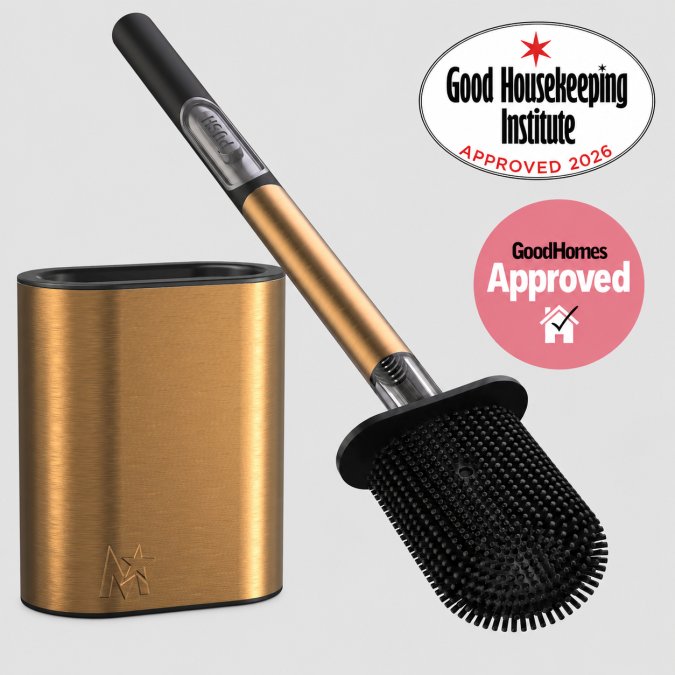
Moostar's replacement silicone head, priced at £9.99, fits every Moostar toilet brush, including the Stainless Steel, Black, Grey and Luxe Gold, Copper and Chrome finishes. One head fits across the range, so existing customers have a clear upgrade path.
How a Replaceable Silicone Head Works
The head clicks off the handle and a new one clicks on. You can see the replacement head up close and check it fits your brush. There are no tools and no fiddling, and the whole swap takes a few seconds. The soap-dispensing outlet is built into the head itself and works with the brush's push-button dispenser.
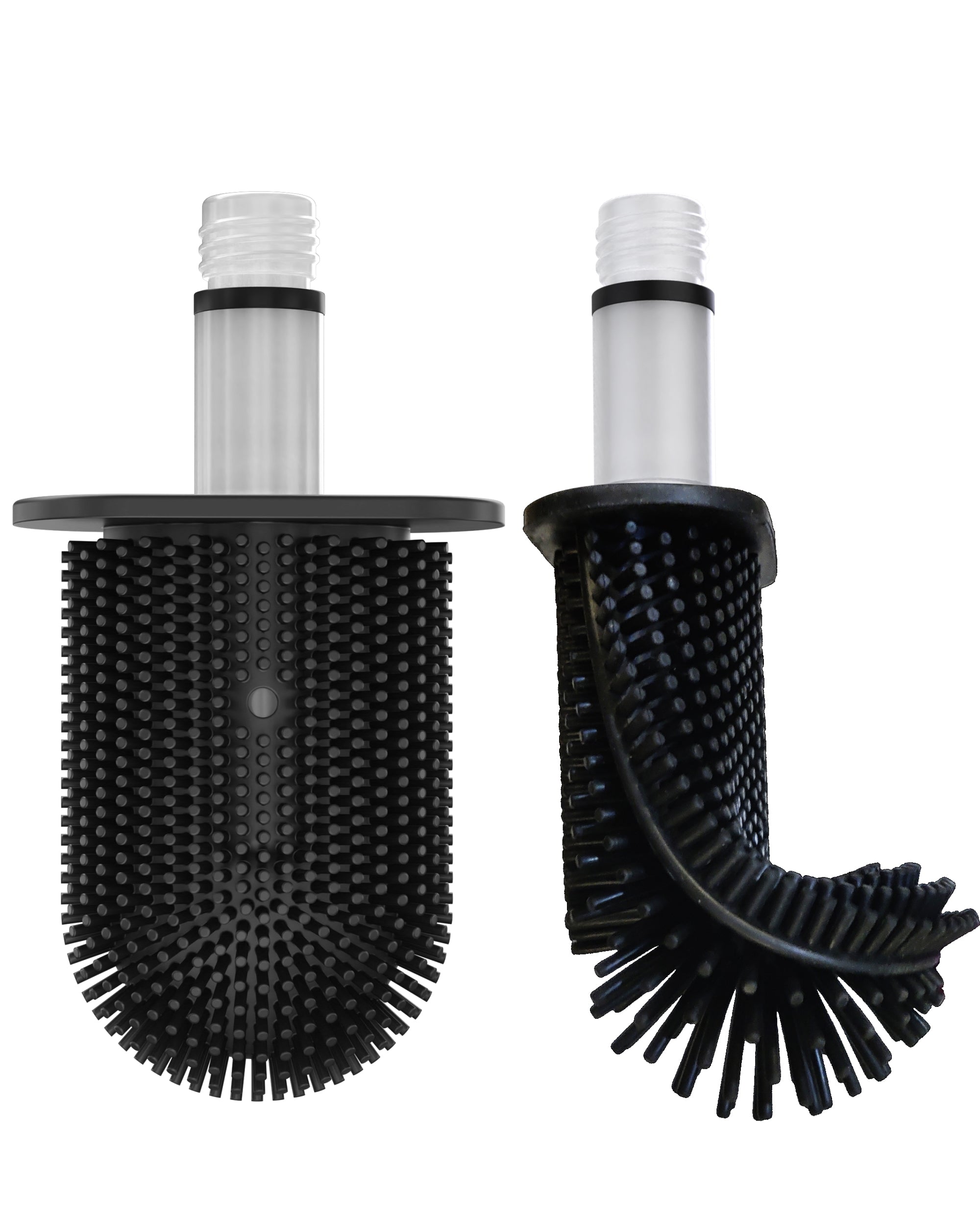
The silicone bristles are long and short, so they reach under the rim and around the bowl. The flexible silicone rinses clean easily.
How to Clean a Toilet Brush Between Head Changes
Between head changes, rinse the silicone head under running water after each use, then shake off the excess and leave it to air dry on the holder. Avoid leaving it submerged in standing water in the bowl or in a closed cupboard, since trapped moisture is what makes any brush smell.
Once a month, wipe the stainless steel handle and holder with a soft cloth and a mild cleaner, and check that the soap reservoir is not clogged. A brush that is rinsed and dried after use needs far less intervention, and the head itself lasts longer.
How Often to Replace a Toilet Brush Head
Moostar recommends replacing the head every three months, or sooner if the bristles look worn.
Check the head for visible wear, particularly where the bristles meet the bowl and under the rim, and replace it when the bristles no longer rinse clean or lose their shape.
Subscribing on the product page means a new head is delivered automatically, which suits both households and retailers offering subscription add-ons. For retail staff, the four-signal check is a short, repeatable script: it turns a vague 'replace it when it looks bad' into a clear conversation that supports the three-month rule without making it the only trigger.
The article sets out a simple replacement rule and the signs to look for, which can be summarised as follows.
| Trigger | Action | Timing |
|---|---|---|
| Routine replacement | Replace the head | Every three months |
| Visible wear | Check bristles where they meet the bowl and under the rim | When wear appears |
| Failing to rinse clean | Replace the head | As soon as bristles fail to rinse clean |
| Losing shape | Replace the head | As soon as bristles lose their shape |
Why a Soap-Dispensing Toilet Brush Simplifies Stocking and Upkeep
A soap-dispensing toilet brush combines two jobs in one object: cleaning the bowl and dispensing solution.
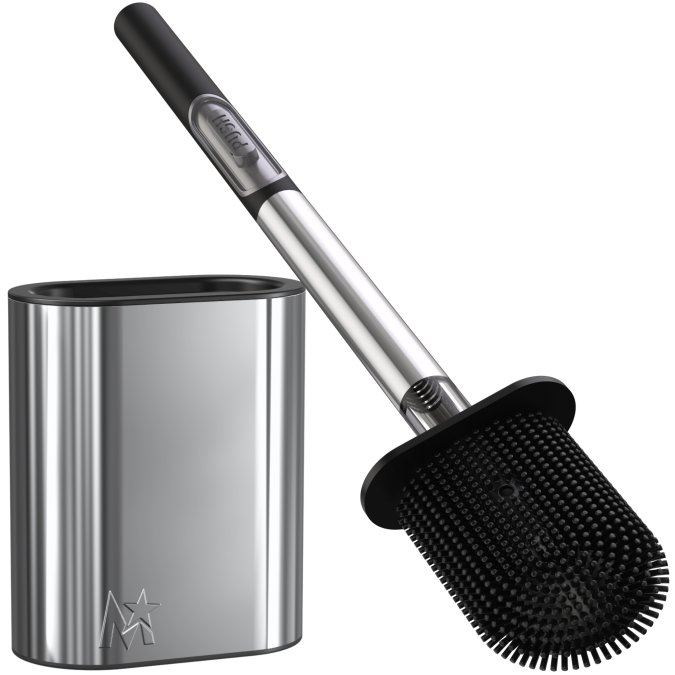
For retailers, the Moostar range offers a clear choice of finish. The Black Bundle and Stainless Steel Bundle each include a spare head, so the customer has a replacement from the start. Both bundles are priced at £25.88. The Grey Bundle, also £25.88, suits contemporary and guest bathrooms. Compare the stainless steel bundle with spare head alongside the others. Recommending a bundle and a spare head together sets up the next sale before the first one is used up.
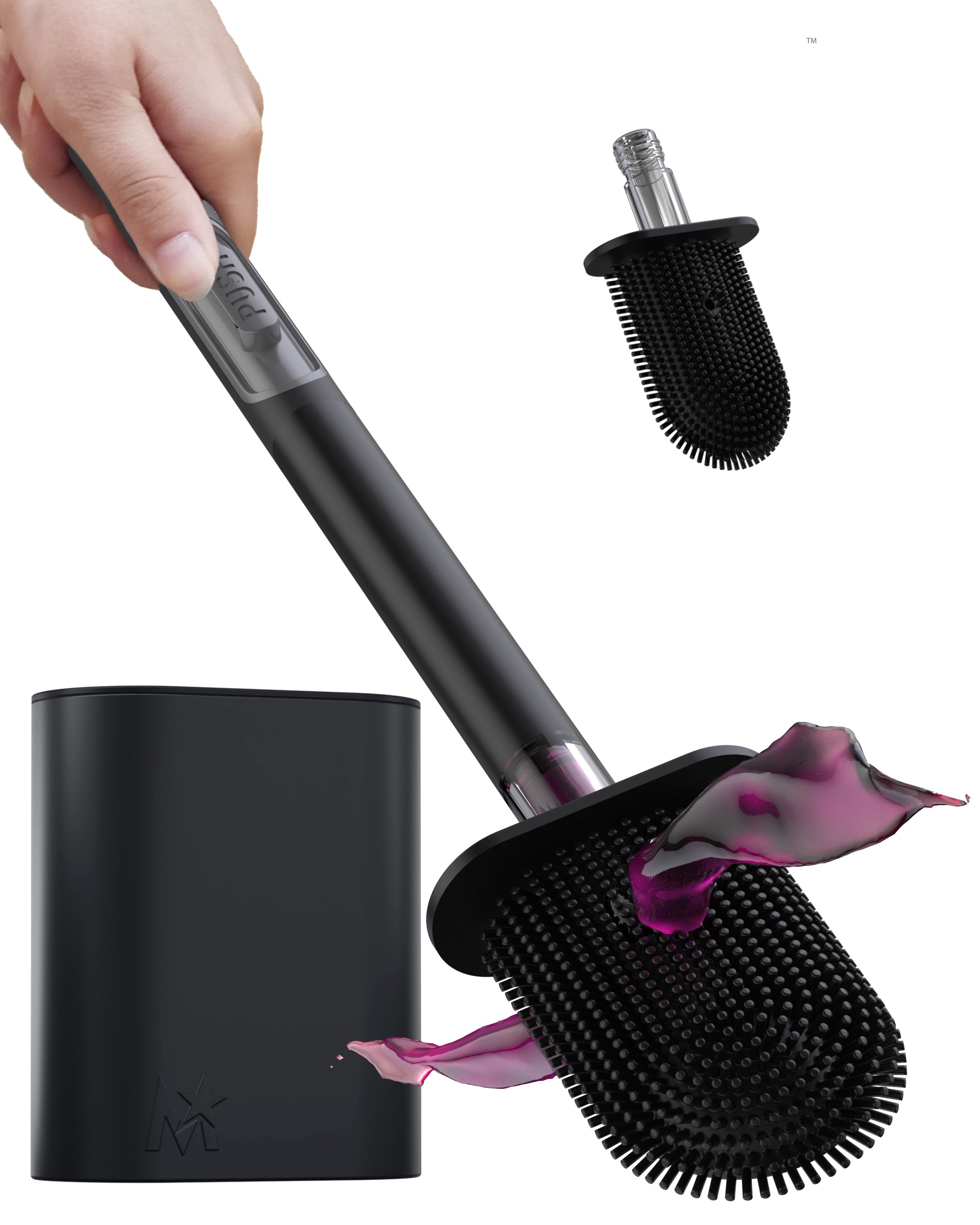
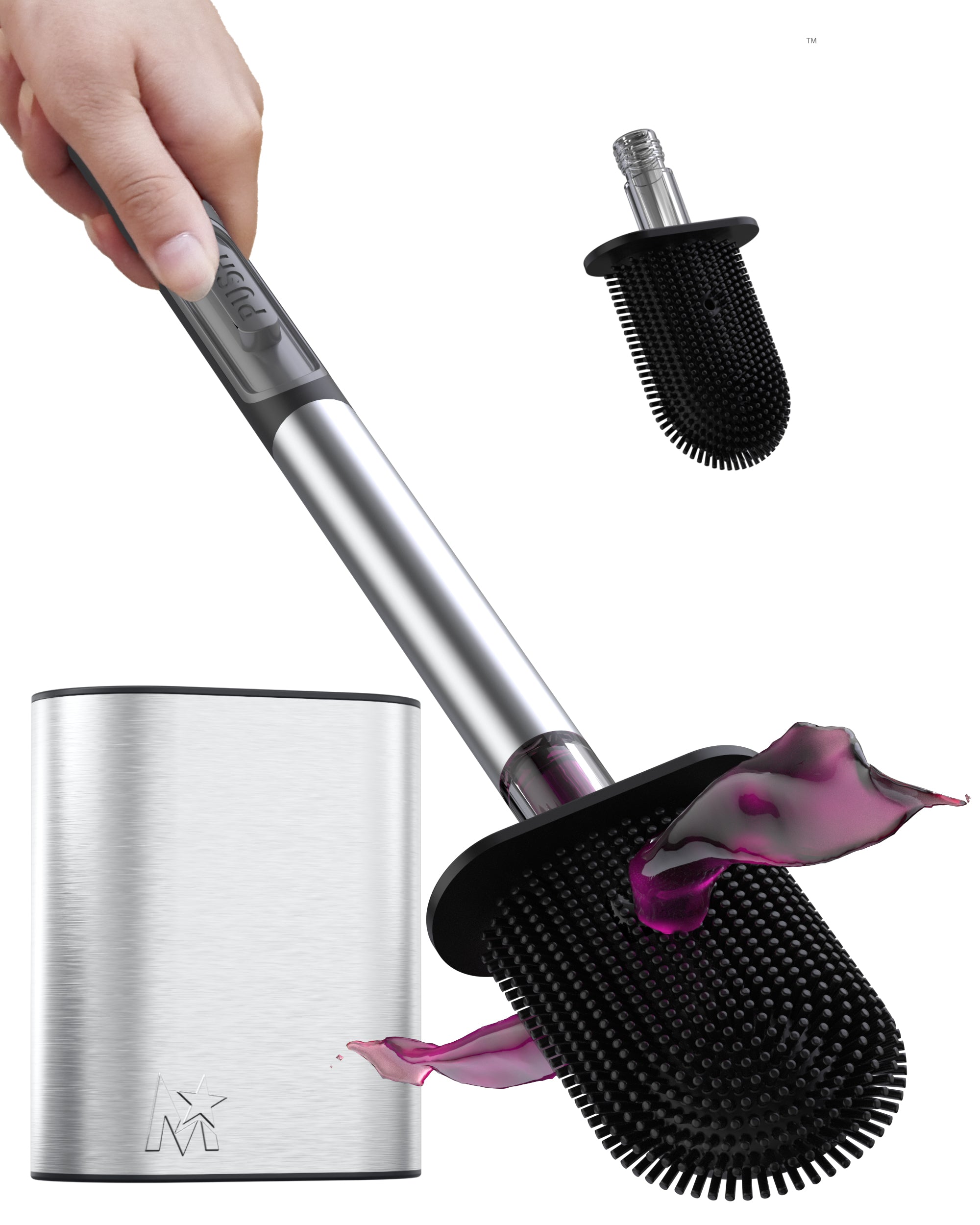
Each model is wall mounted or freestanding, and carries Good Housekeeping Institute Approved 2026, GoodHomes Approved 2026 and woman&home Reader Approved Awards 2026 Winner recognition.
Cost of bundles and replacement heads
Pros and Cons of the Replaceable Head System
Only the head is replaced, so the handle and holder stay in use. Our silicone toilet brush buyer's guide compares the options to help you choose.
The replacement head is specific to Moostar brushes, so it will not fit other brands' handles.
Stocking Replacement Heads and Setting Up Hygienic Storage
Keep replacement heads in a dry, clean place, separate from used brushes, and rotate stock so the oldest goes out first. Display the £9.99 head beside the brush range so customers see the refill option when they buy. That much is straightforward stockroom discipline. The part that is easy to overlook is what happens once the head leaves the shop.
For retailers, the practical takeaway is to talk about storage at the point of sale. A customer who buys a bundle with a spare head and a clear idea of where the clean head lives and where the used one goes is more likely to keep the routine going, and more likely to come back for the next replacement on schedule.
Frequently Asked Questions
How often should you replace a toilet brush head?
Moostar recommends replacing the head every three months, or sooner if the bristles look worn. Replacing only the head keeps the holder in use and avoids binning the whole brush. Check the bristles regularly, particularly where they meet the bowl and under the rim, and replace the head once they no longer rinse clean or start to lose their shape.
How do you clean a toilet brush after use?
Rinse the head under running water after each use until no residue remains, then shake off the excess. Hang or stand the brush so the head can dry fully rather than sitting in water. The flexible silicone head rinses clean easily.
Can a toilet brush head be replaced without replacing the handle?
Yes. Pull the old head off the handle and push the new one on until it clicks, which takes a few seconds and needs no tools. The Moostar replacement silicone head fits every Moostar toilet brush, including the Stainless Steel, Black, Grey and Luxe Gold, Copper and Chrome finishes, so the holder stays in use.
Are silicone toilet brush heads easier to maintain?
Silicone heads rinse clean easily. Combined with a replaceable head, you only swap the part that wears, and the soap-dispensing handle keeps cleaning solution on the bristles where you need it.