Last Updated: November 21, 2026
Quick Summary
Moostar's toilet brushes use replaceable heads, so maintenance becomes a quick swap rather than a full replacement. Only the head wears and collects residue, so you change that section in seconds and keep the handle. Silicone heads are non-porous, rinse clean and dry faster.
- Press the release mechanism and lift the old head away without twisting or levering it.
- Click the new head onto the handle until you feel a single firm click.
- Rinse under warm water weekly and let the head air dry with bristles facing down.
- Replace the head roughly every three months, or sooner if bristles split or odour persists.
- Keep a spare head in the cupboard so you can switch it as soon as wear shows.
Table of Contents
- Why Replaceable Heads Make Toilet Brush Maintenance Easier
- How to Replace a Toilet Brush Head in Seconds
- How to Clean a Toilet Brush Head Properly
- How Often to Replace a Toilet Brush Head
- Storing Your Toilet Brush Hygienically Between Uses
- Silicone Heads Versus Traditional Bristles for Upkeep
- Keeping Your Moostar Brush Easy to Maintain Going Forward
- Frequently Asked Questions
Why Replaceable Heads Make Toilet Brush Maintenance Easier
Moostar's replaceable heads turn toilet brush upkeep into a quick swap rather than a full replacement. Because the head is the part that wears and collects residue, changing just that section keeps your brush working well without buying a new handle each time. We designed our range around this idea, so every Moostar brush takes a replacement head that clicks on and off in seconds.
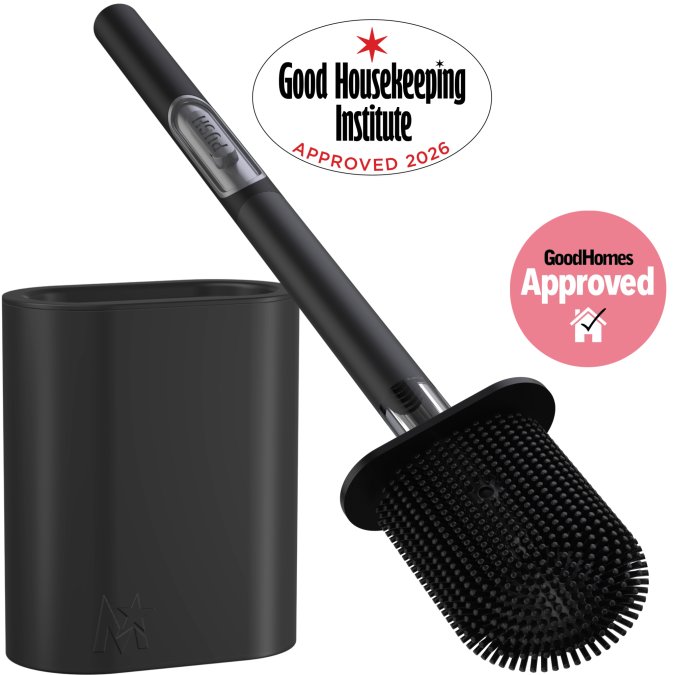
Silicone heads are non-porous and flexible, and they rinse clean and dry faster, which makes the whole routine easier to keep up with.
Maintenance is simpler when there is less to clean. That is the core advantage of a replaceable head system.
How to Replace a Toilet Brush Head in Seconds
Swapping a head takes less time than rinsing a brush, but the job goes smoothly only when you follow the same short sequence every time. Work over the toilet bowl so any drips land where they can be flushed away, and keep a spare head within reach before you start.
- Release the old head. Press the release mechanism on the handle and lift the silicone head away. Do not twist or lever it, because the fitting is designed to separate cleanly when the catch is pressed.
- Inspect the handle connection. Wipe the end of the handle with a damp cloth and check that the catch moves freely. A stiff catch is usually residue rather than a fault, and a rinse under warm water normally frees it.
- Fit the new head. Line the head up with the handle and click it into place. You should feel a single firm click rather than a soft push.
- Check the fit. Hold the brush over the bowl and press the head gently against the porcelain. The head should sit flush against the handle with no gap and no wobble.
- Rinse before first use. Give the new head a quick rinse under running water to remove any manufacturing dust, then flush the toilet to clear the bowl.
The whole job takes only a few seconds, and you do not need any tools. Keeping a spare head in the cupboard means you can change it as soon as wear shows. Our Moostar Replacement Silicone Toilet Brush Head - Soap-Dispensing, Fits All Moostar Brushes is designed to fit every Moostar brush, including the Stainless Steel, Black, Grey and Luxe finishes, so you can refresh your brush without replacing the whole set.
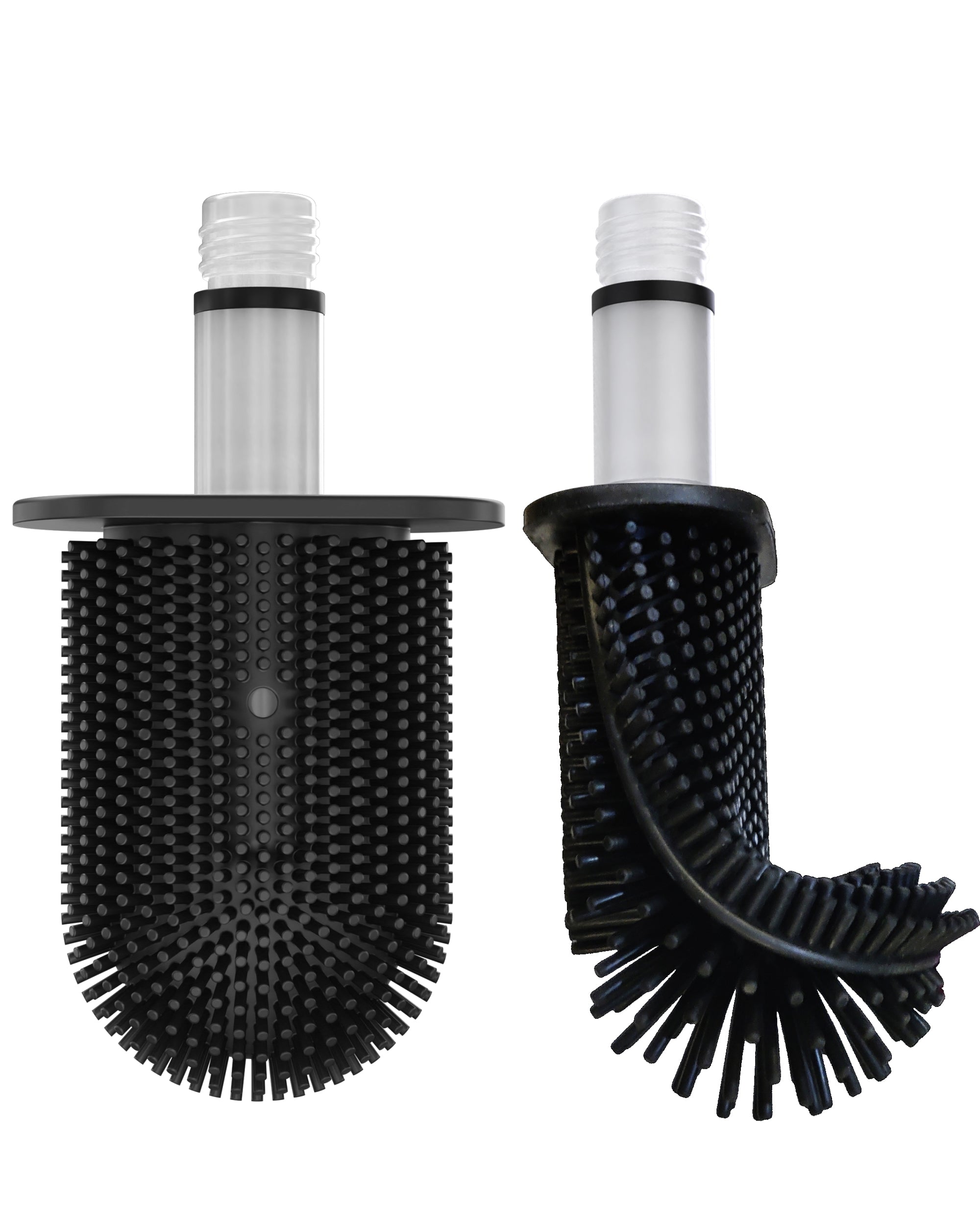
Watch out: a head that clicks but still feels loose is usually not seated fully, so press it home again before use. A loose fit can allow drips and let the head work free mid-clean.
If you are buying a replacement rather than using the spare supplied with your brush, check three things before you order: that the listing names your Moostar brush model, that the head is described as fitting all Moostar brushes, and that the attachment is the click-on type rather than a screw fitting. Checking the model name against the listing is the quickest way to avoid an incompatible refill.
The steps below set out the head-swap routine at a glance.
| Step | What to do | Time or note |
|---|---|---|
| Release the old head | Press the release mechanism and lift the head away | Do not twist or lever it |
| Inspect the handle connection | Wipe the handle end and check the catch moves freely | Rinse under warm water if stiff |
| Fit the new head | Line up with the handle and click into place | One firm click |
| Check the fit | Press gently against the bowl | Should sit flush with no wobble |
| Rinse before first use | Rinse under running water, then flush | Removes manufacturing dust |
How to Clean a Toilet Brush Head Properly
Rinse the head under running water after every use, then flush the toilet to clear any remaining residue. Silicone bristles release mess more easily than tightly packed stiff bristles, so a quick rinse is often enough. Find out why mess comes off a silicone head more easily than it does from stiff bristles.
Once a week, give the head a fuller clean. Soak it in warm water with a mild cleaning solution, rub the bristles gently, and rinse thoroughly. Leave it to air dry with the bristles facing down so water drains away from the head.
Avoid storing the brush while it is still wet. Moisture left in the handle and holder encourages buildup, so let everything dry before you put it back.
How Often to Replace a Toilet Brush Head
Replacement depends on use, but a fresh head every three months is a sensible routine for most households. Replacing the head on a schedule keeps the brush effective, rather than waiting until it looks worn. Read more on how often you should replace your toilet brush to see the replacement schedule guidance in full.
A schedule is only a baseline, though. The more useful question is whether a head needs washing or replacing, and the answer comes down to a few observable signs.
Wash the head rather than replace it when:
- The silicone is intact and the bristles still spring back when you press them.
- The head rinses clean and does not hold odour after a weekly soak.
- It still reaches under the rim and cleans the bowl in the usual number of passes.
Replace the head when:
- The bristles are splitting, bending out of shape or no longer springing back.
- A persistent odour remains after a full soak and thorough rinse.
- The head no longer cleans well and you find yourself scrubbing harder or longer to get the same result.
- The fit feels loose on the handle even after reseating it.
Check the head every few weeks so you catch wear early. A head that is washed weekly and dried properly will usually last the full three months, while a head left wet in the holder tends to degrade faster.
Watch out: replacing a head on schedule but storing the brush wet will shorten the life of the new head too, so fix the drying routine before you blame the head.
Keeping a spare head on hand means you can replace on the day you notice wear rather than waiting for a delivery. Our Moostar Silicone Toilet Brush & Holder with Soap Dispenser + Spare Head - Black Bundle includes a spare head for exactly this reason, so the swap is ready when you need it.
Storing Your Toilet Brush Hygienically Between Uses
Keep the brush in its holder next to the toilet, and try to keep the base off the floor. Compare open and closed holders to see which keeps drips contained between uses. A holder that contains drips stops water from pooling around the brush, which keeps the surrounding area cleaner.
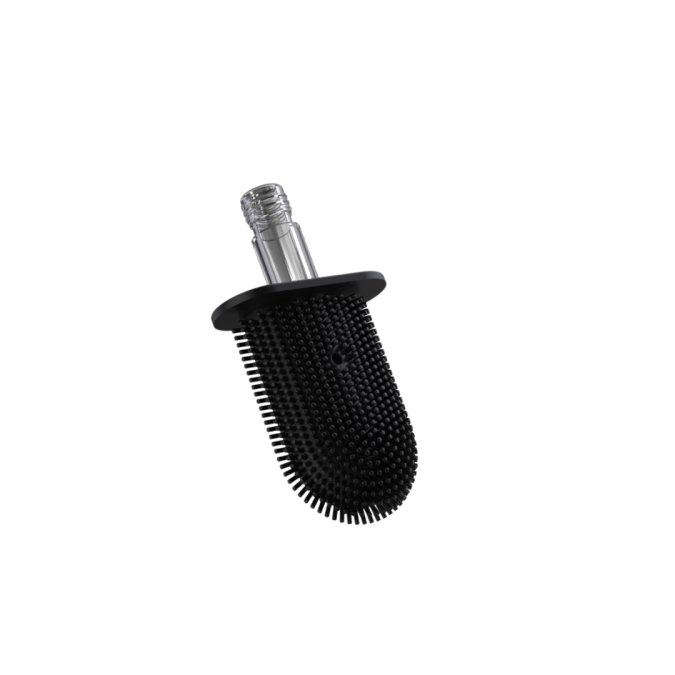
Our Moostar Silicone Toilet Brush & Holder with Soap Dispenser + Spare Head - Black Bundle comes with a spare head, so you always have a replacement ready. The built-in soap dispenser also means you do not need a separate bottle beside the toilet.
Let the brush air dry between uses. A dry holder is a cleaner holder.
Silicone Heads Versus Traditional Bristles for Upkeep
Silicone heads are flexible and non-porous. They reach under the rim and around the bowl, and they rinse clean easily. This makes them a practical choice for households that want low-effort cleaning.
Keeping Your Moostar Brush Easy to Maintain Going Forward
A simple routine keeps your brush working well: rinse after each use, clean the head weekly, let everything dry, and replace the head every three months. Keeping a spare head on hand means you can switch it in seconds when the time comes.
Moostar's toilet brushes, including the Moostar Silicone Toilet Brush & Holder with Soap Dispenser + Spare Head - Grey Bundle, are built around this routine. Our range is Good Housekeeping Institute Approved 2026, GoodHomes Approved 2026 and a woman&home Reader Approved Awards 2026 winner.
Keeping your bathroom clean should not mean wrestling with a brush that is hard to maintain. Moostar's replaceable-head design makes the job quicker, cleaner and more hygienic, so you can spend less time on upkeep and more time enjoying a bathroom you are proud of.
Frequently Asked Questions
How do you clean a toilet brush head?
Rinse the silicone head under hot running water after each use, then flush the toilet while the head is still wet so the bowl water washes away residue. Press the soap dispenser to refill the head with cleaning solution, let it sit briefly, and rinse again. Because the silicone is non-porous, it rinses clean easily. Stand the brush so the head drains and dries, and wipe the holder base occasionally to keep it hygienic.
How often should you replace a toilet brush head?
Moostar recommends fitting a fresh replacement silicone head about every three months to keep your brush clean and effective. Replace it sooner if the silicone looks worn, stained or no longer cleans the rim properly. Keeping a spare head ready means you can swap it in seconds, without buying a whole new brush. The Moostar Black and Stainless Steel bundles include a spare head, so you always have one on hand.
Can a silicone toilet brush head be replaced?
Yes. Moostar silicone heads are designed to click off and on, so you can change the head without replacing the handle or holder. The replacement head fits every Moostar toilet brush, including the Stainless Steel, Black, Grey and Luxe Gold, Copper and Chrome finishes. A single replacement head costs £9.99, which makes ongoing upkeep simple and predictable.
Are silicone toilet brushes easier to clean than bristle brushes?
Silicone heads are flexible and non-porous, so they rinse clean easily. The soap-dispensing design also delivers cleaning solution directly onto the head, so you do not need to dip the brush into a bowl of product. Regular rinsing and replacing the head every three months keeps routine upkeep straightforward.