Last Updated: November 5, 2026
Quick Summary
To keep your bathroom sink area organised, clear everything off the countertop and put back only what you use weekly. Measure your cabinet height, width and plumbing clearance before buying containers, then group items into labelled bins and keep daily essentials at the front. Wipe the basin and tap dry after each use.
- Sort every item into keep, move and bin piles, checking for cracks, rust and expiry dates.
- Leave a 1-2 cm gap at the front of containers so cabinet doors close.
- Line the cabinet floor with water-resistant shelf liner instead of cardboard or paper.
- Keep only items needed within arm's reach of the tap on the counter.
- Follow a daily two-minute routine to put things away and wipe the basin dry.
Table of Contents
- Start With a Full Clear-Out and Sort
- How to Organise Under the Bathroom Sink
- Small Bathroom Sink Storage Ideas That Actually Work
- Bathroom Counter Organisation: A Decision Guide
- How to Keep a Bathroom Sink Clean and Dry
- A Daily and Weekly Routine to Stop Clutter Returning
- Build Your Sink Area Around a Hygienic Toilet Brush
- Frequently Asked Questions
Start With a Full Clear-Out and Sort
A tidy sink area starts with an empty one. Take everything off the countertop, out of the vanity cabinet and off the shelf, then put back only what earns its place. A bathroom sink can quickly become a dumping ground for half-used bottles and forgotten samples. The clear-out is the step most guides rush, and it is the one that decides whether the space stays tidy.
The Three-Pile Method
Sort every item into three piles:
- Keep: used weekly and in good condition
- Move: belongs in another room or a cupboard
- Bin: expired, empty, rusty or never used
Be honest with the bin pile. An expired bottle of sun cream is not a spare; it is clutter with a label.
What to Check Before You Keep Anything
Check each product before it goes back. Look for cracked lids, rusted caps and anything past its expiry date. Dried-out or leaking containers cause most of the mess under a sink. If you are weighing up durability, our guide on why stainless steel toilet brushes last longer explains what to look for in metal parts that live in a damp room.
How to Organise Under the Bathroom Sink
Under-sink storage is a practical part of bathroom organisation, and it works best when you plan around the pipes rather than fighting them.
Measure Before You Buy
Most under-sink clutter is caused by containers that do not fit. Before you shop, take three measurements:
- Cabinet height from the shelf to the underside of the counter
- Cabinet width and depth at the widest point
- Plumbing clearance, the gap between the U-bend and the cabinet walls, and the height from the cabinet floor to the lowest pipe
Write these down and take them with you. A stacking bin that is 2 cm too tall will not slide under the pipe, and a tray that is 5 cm too wide will not sit beside it.
Watch out: cabinet doors and drawer fronts need clearance to close, so leave a 1-2 cm gap at the front of any container you place near the opening.
Work Around the Plumbing Clearance
The U-bend eats space, so use it rather than ignore it. Stacking bins fit either side of the pipe, and a low tray slides underneath. Keep nothing pressed against the pipes; a small leak you cannot see will ruin cardboard packaging and leave a smell you cannot trace. If the pipe runs close to the back wall, a narrow shelf that sits above the pipe and below the counter can turn dead space into a usable tier.
Containers, Bins and Stacking Organisers
Group items before you buy a single container. Cleaning products go together, spare toiletries go together, and everyday items stay within easy reach. Then match the container to the group:
- Stacking bins for spare bottles and refills, clear ones let you see stock at a glance
- A caddy for cleaning products you carry to the sink
- Drawers or drawer units for small items that roll around
Label the front of each bin with a marker or printed label so the contents are obvious without lifting the lid. A common pattern is to keep daily items at the front and spares at the back, which stops the daily reach from disturbing the stock behind it.
Protect Stored Items from Damp and Leaks
Protection against damp matters as much as arrangement:
- Line the cabinet floor with a water-resistant shelf liner rather than cardboard or paper
- Store liquids upright and keep the lids tight
- Keep cardboard packaging off the cabinet floor, where drips collect
- Check monthly for damp, drips or a musty smell, and trace any leak before it spreads
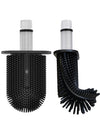
If you want a brush that fits a tight corner without adding clutter, you can browse the full range of silicone toilet brushes with replaceable heads and space-saving designs.
Small Bathroom Sink Storage Ideas That Actually Work
Small bathrooms and rented homes need vertical space, not more floor space. Look up before you look out. A narrow shelf above the sink, door hooks on the cabinet doors and suction storage on the tiles all add room without drilling a single hole. The key is to choose fittings that suit your wall and your tenancy, because a solution that damages the tiles or falls down after a week is worse than no storage at all.
Pedestal Sinks and Rented Homes
A pedestal sink has no cabinet, so the storage has to live elsewhere. A slim caddy beside the basin, a basket on the floor and a hanging organiser on the wall cover most of it. In a rented home, choose suction and hook fittings that lift off cleanly when you move out. Check the weight limit on suction fittings before you load them, most are rated for light items such as a toothbrush cup or a small bottle, not a full shampoo bottle.
Damage-Free Fixings That Hold
Suction cups fail on textured or damp tiles, so clean and dry the surface before applying them and re-press them monthly. Adhesive hooks are stronger but can pull paint or glaze when removed; warm the adhesive with a hair dryer before lifting it to reduce the risk. Tension poles that fit between two walls need no drilling at all and can hold small shelves, but check that the wall surfaces are sound and that the pole is rated for the weight you plan to put on it.
Shared and Accessible Sink Areas
In a shared bathroom, give each person a labelled container so items do not merge into one pile. For children, keep daily items low and within reach, and store anything breakable or medicated higher up. If someone in the household has limited mobility, keep the most-used items at counter height or in a drawer that opens easily, and avoid deep cabinets that require reaching to the back.
Make the Most of Vertical Space
A narrow shelf above the sink, a tiered organiser on the windowsill and a hanging pocket organiser on the back of the door all add storage without taking floor space. Keep the shelf shallow so it does not crowd the basin, and fix it high enough that it does not obstruct the tap or mirror.
Bathroom Counter Organisation: A Decision Guide
The countertop is prime space, so treat it as a decision, not a default. Ask one question of each item: does it need to be within arm's reach of the tap? If the answer is no, it belongs in a drawer or a cabinet.
Use this guide:
| Item | Keep on the counter? | Where it belongs instead |
|---|---|---|
| Daily toothbrush and paste | Yes | Counter or wall holder |
| Hand soap | Yes | Beside the tap |
| Daily moisturiser | Yes, if used twice daily | Counter tray |
| Shampoo and body wash | No | Shower caddy |
| Spare toiletries | No | Under-sink bin |
| Cleaning products | No | Under-sink caddy |
| Bath towels and bath mat | No | Rail or airing cupboard |
Group what stays on a small tray so it reads as one tidy unit. Clear the rest.
How to Keep a Bathroom Sink Clean and Dry
A clean, dry sink stays organised longer than a tidy but damp one. Water is the enemy of every storage system: it warps packaging, feeds mould and leaves rings on the basin. Wipe the counter and the tap after each use, and dry the base of anything that holds water.
Managing Moisture and Safe Product Storage
Moisture control is where most sink areas fail. Follow these habits:
- Rinse and dry the basin after brushing your teeth
- Store liquids upright so leaks stay contained
- Keep products in a tray with a raised lip
- Check under the sink monthly for damp or drips
If your brush leaves puddles, our guide on how to stop a toilet brush dripping on the floor and smelling covers the habits that fix it.
A Daily and Weekly Routine to Stop Clutter Returning
Clutter comes back because nobody owns the space. A short routine keeps it clear without a big clean every month. This is the part most guides skip, and it is the difference between a one-off tidy and a sink area that stays organised.
Daily, two minutes:
- Put away anything left on the counter
- Wipe the basin and tap dry
- Rinse the brush and let it drip over the bowl
Weekly, ten minutes:
- Check under the sink for leaks or damp
- Bin anything empty or expired
- Wipe the inside of containers and the shelf liner
- Restock daily essentials from your spare bin
Monthly, twenty minutes:
- Re-sort one shelf or drawer
- Check labels and expiry dates
- Clear anything that has drifted back onto the counter
Build Your Sink Area Around a Hygienic Toilet Brush
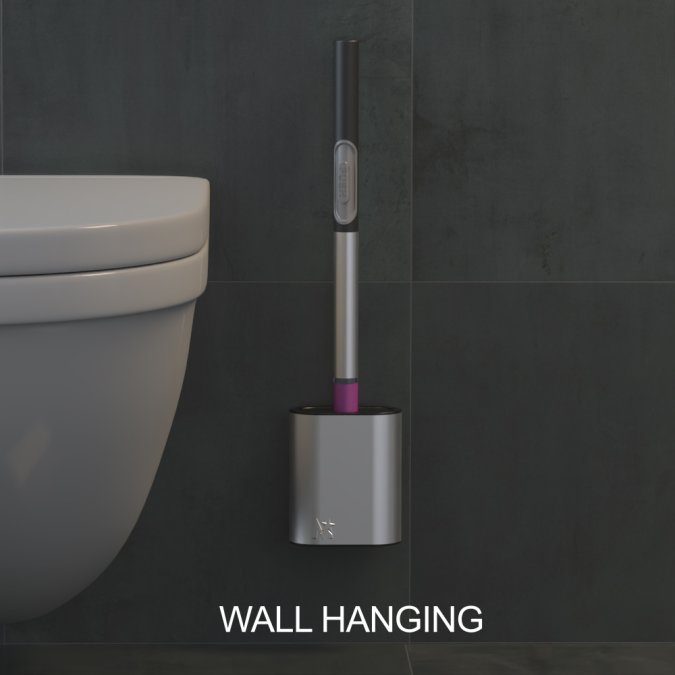
The toilet brush is the one item in the sink area that decides how clean the whole space feels. A dripping brush leaves water on the floor, and a closed, damp holder traps smells.
Keep it beside the toilet, off the floor if you can, in a holder that contains drips. Our guide on where to keep your toilet brush and whether an open or closed holder is more hygienic explains the placement in detail, and our round-up of the best hygienic toilet brushes and which ones reach under the rim shows why a flexible head beats stiff bristles.
A tidy sink area is a habit, not a purchase. Start with the clear-out, give everything a home, and let the daily two minutes do the rest.
Frequently Asked Questions
What should I keep on the bathroom sink?
Keep only what you use at least once a day: hand soap, a toothbrush and toothpaste, and one moisturiser or serum. Everything else, including spare toiletries, cleaning products and bath towels, belongs in a cabinet or storage zone. A clear counter is easier to wipe down and looks tidier. If you use a soap-dispensing toilet brush, store it beside the toilet rather than on the sink, so the basin area stays free for daily essentials only.
How often should I declutter bathroom products?
Do a quick five-minute sort every week and a full clear-out every three months. Check expiry dates on toiletries, test whether make-up and skincare still smell and look right, and bin anything you have not used since the last clear-out. Regular decluttering stops the under-sink cabinet becoming a dumping ground and makes it far easier to find what you need during a busy morning routine.
How can I stop clutter building up around the bathroom sink?
Give every item a fixed home and return it after each use. Use a small tray or caddy for daily essentials, a bin or basket for items waiting to be put away, and labels on under-sink containers so nothing gets buried. A two-minute reset each evening, plus a weekly wipe-down of the countertop, keeps the sink area organised without a big cleaning session. The key is making the tidy option the easiest one.
Will a soap-dispensing toilet brush help keep the sink area organised?
Yes, because it removes the need for a separate toilet cleaner bottle and a dripping brush sitting on the floor. A soap-dispensing handle holds the cleaning solution inside, so there is one fewer product cluttering your storage and no puddles to wipe up.
Your bathroom sink area can stay clear and hygienic with the right tools doing the hard work. Moostar's award-winning toilet brush combines a soap-dispensing handle, a non-porous silicone head and a one-push release for cleaner, easier maintenance. Get started with Moostar and build a sink area that stays organised every day.