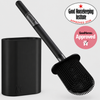
To stop a toilet brush dripping on the floor and smelling, change three habits: let the brush drip and dry over the bowl for 10–15 minutes before you put it away, rinse and empty the holder regularly, and replace the head as soon as it's frayed or discoloured. A non-porous silicone head kept in a sealed base, like the Moostar Soap Push, makes all of this easier.
If you're still choosing a brush, our guide to drip-free alternatives to plastic toilet brushes compares the options.
Why toilet brushes drip and smell
Drips and smells have the same root cause: water and grime that the brush carries out of the bowl. A traditional bristle head holds a surprising amount of water between its fibres, and Expert Reviews points out that bristles are "so tightly packed together that it's impossible to clean them perfectly". Whatever stays trapped in there ends up dripping on the floor or sitting in the holder, which is where the smell comes from.
Microbiologist Helen Stratton of Griffith University told ABC News that bristle brushes are "actually quite porous", and that a damp holder without disinfectant is where "things can grow". She also notes that "most microbes and particularly human pathogens don't like to be dried out". In other words, drying the brush is one of the most useful things you can do.
Step 1: Let the brush drip over the bowl
This is the single biggest fix, and it costs nothing. After cleaning:
- Flush and swish the brush in the clean water, then tap off the excess against the bowl.
- Wedge the handle between the seat and the rim so the head hangs over the bowl. Which? recommends leaving it "for 10-15 minutes, or until it's completely dry". A widely shared TikTok tip, reported by House Digest, does the same thing by closing the seat lid onto the handle.
- Only then return it to its holder.
Silicone makes this step quicker. Which? notes that "silicone is non-porous, so it's less likely to harbour bacteria and grime rinses off it more easily", so there's far less water clinging to the head in the first place.
Step 2: Clean and empty the holder
Even with good habits, a little water reaches the holder. Cleaning it regularly is what stops odours building up:
- Every week or two: empty out any water, then spray the holder inside and out with disinfectant and wipe it with paper towels, or wash it in the sink with hot, soapy water (both methods suggested by Which?).
- Dry it before refitting so you're not putting a clean brush into a damp base.
- Disinfect the head too: holding the brush over the bowl, spray it with disinfectant or bathroom cleaner, then rinse and drip-dry as above.
A sealed base is a real advantage here. The Moostar holder is a sealed base unit, so any drops that do come off the brush stay contained in the base rather than seeping onto your floor or skirting. It keeps the floor dry and tidy, and you simply rinse and empty the base now and then.
Step 3: Use cleaner on the brush, not just in the bowl
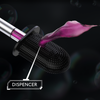
Cleaner that's on the head while you scrub helps lift grime so less of it comes back out with the brush. With a standard brush you can squirt toilet cleaner under the rim first, then brush. The Soap Push has a cleaner reservoir built into the handle: press and a little cleaner is released through the head as you scrub. Check our guide on what to put in a soap-dispensing toilet brush before you fill it.
Step 4: Replace the head when it's past its best
No routine can rescue a worn-out head. Cleaning business owner Jason Shipway told ABC News that if the bristles are "fraying and it's visibly discoloured", it's time to get rid of it. With a traditional brush, that means binning the whole thing. With the Soap Push you just press to release the old head hands-free and click on a replacement head (£9.99 at the time of writing, 26 October 2026). For timings, see how often you should replace your toilet brush.
Quick fixes: drips and smells at a glance
| Problem | Likely cause | Fix |
|---|---|---|
| Drips on the floor | Brush put away wet | Drip-dry over the bowl for 10–15 minutes; use a sealed base to contain stray drops |
| Puddle in the holder | Water building up over several cleans | Empty and rinse the base every week or two |
| Musty smell | Grime and water left in the holder or head | Disinfect the holder and head; dry before refitting |
| Smell won't go | Worn, porous bristle head | Replace the head; consider switching to non-porous silicone |
| Grime on the brush after use | Scrubbing without cleaner | Apply cleaner first or use a cleaner-dispensing brush |
The verdict
Most drips and smells are fixed by habit: dry the brush over the bowl, keep the holder clean, replace the head on time. A rinse-clean silicone head and a sealed base do the rest. The Moostar Soap Push brings those together, with a 304 stainless steel handle, long and short silicone bristles, a built-in cleaner reservoir and a choice of wall-mounted or freestanding. It's Good Housekeeping Institute Approved 2026 and won Best Toilet Brush in the woman&home Reader Approved Awards 2026. The trade-offs: it costs more than a basic plastic brush, and the reservoir needs topping up.
Shop the Soap Push: standard finishes from £17.99, Luxe finishes £25.99 (prices at the time of writing, 26 October 2026), with free next-day UK delivery on orders over £10 and 90-day returns.
FAQ
How long should I leave my toilet brush to dry before putting it back?
Which? suggests 10–15 minutes hanging over the bowl, or until it's completely dry. Wedge the handle between the seat and the rim so it drips into the toilet.
Why does my toilet brush holder smell even though I clean the toilet?
Water and grime from the brush collect in the holder. Empty it, disinfect it inside and out, and dry it before putting the brush back. If the brush head itself is worn or discoloured, replace it.
Are silicone toilet brushes less drippy than bristle brushes?
Generally, yes. Which? says silicone is non-porous and grime rinses off it more easily, so less water and dirt clings to the head. You should still let it drip over the bowl before storing it.
Is a sealed toilet brush holder a good idea?
A sealed base keeps drips contained, so nothing seeps onto the floor. Combined with drip-drying over the bowl and rinsing the base regularly, it's a tidy, floor-safe way to store a brush.
Sources
- Which?: Best toilet brushes (18 Aug 2026)
- ABC News: How do you clean a toilet brush and when should you change it? (4 April 2026)
- Expert Reviews: Best toilet brush
- House Digest: The simple hack that will keep your toilet brush from dripping on your bathroom floor
- woman&home Reader Approved Awards 2026: Best cleaning products