How do you get rid of limescale in a toilet? For most limescale, use an acid. Pour undiluted white vinegar (or a dedicated limescale gel) into the bowl, under the rim and onto the marks. Leave it for a few hours or overnight, then scrub with a toilet brush and flush. For stubborn rings, repeat the soak, or use a pumice stone gently while everything is wet. To stop it coming back, scrub little and often. A flexible silicone brush like the Moostar Soap Push makes that easier, because it bends into the rim and you can release cleaner as you scrub.
What causes limescale in a toilet?
Limescale is a chalky mineral deposit, mostly calcium carbonate, that water leaves behind. Ideal Home notes that hard water is usually to blame, so if you live in a hard-water area, the brown or white ring at the waterline is likely to keep returning. Domestos points out that limescale is harmless but unsightly. It also gives dirt and stains something rough to cling to, so a scaled bowl looks dirty sooner after cleaning.
Five methods that work
| Method | How to use it | Best for |
|---|---|---|
| White vinegar | Pour undiluted vinegar into the bowl and under the rim. Leave it for 3–4 hours or overnight, then scrub and flush. | Most everyday limescale |
| Vinegar + bicarbonate of soda | Add about a cup of vinegar, then about a cup of bicarb. Leave for about 10 minutes, brush it around, wait about 25 minutes more, then flush. | Rims and patchy build-up |
| Limescale toilet gel | Squeeze it around the rim and leave for the time given on the pack (often about 30 minutes), then scrub and flush. | Quick weekly treatments |
| Vinegar + lemon juice | Pour in equal parts, leave for at least an hour, then scrub. | Light rings |
| Pumice stone | Keep the stone and bowl wet and rub gently over the remaining marks. | Old, stubborn rings |
Ideal Home explains why vinegar works: "The acid in vinegar breaks down the calcium carbonate that makes up limescale." It also notes that bleach "isn't great at removing limescale". Bleach is fine for disinfecting, but it won't shift scale.
Safety first
- Never mix bleach with vinegar or other acidic cleaners. Homes & Gardens quotes a cleaning expert who warns that the mixture "creates chlorine gas and the fumes can be deadly." If you've used bleach, flush several times before you add vinegar.
- Wear rubber gloves, and protect your eyes when using strong cleaners. Domestos and Victorian Plumbing both advise this.
- Go gently with pumice or abrasives. Victorian Plumbing warns that they may void the warranty on a new toilet, so keep everything wet and don't press hard.
- Don't leave vinegar sitting on plated taps or fittings, especially gold-plated ones, because it can damage the finish.
Step-by-step: the overnight vinegar method
- Flush, then pour undiluted white vinegar around the bowl so it covers the waterline ring and runs under the rim.
- Leave it overnight. The longer the acid sits on the scale, the more it dissolves.
- In the morning, scrub firmly. Work the brush under the rim and around the waterline.
- Flush and check. Repeat the soak for any stubborn patches, and use a wet pumice stone gently as a last resort.
How to stop limescale coming back
In a hard-water area you can't prevent limescale entirely, but you can stop it building up into a thick ring:
- Scrub little and often. A quick daily or every-other-day scrub removes deposits before they harden.
- Give it a monthly soak. Ideal Home suggests you "pour a cup of vinegar down the toilet every month", ideally left overnight.
- Treat the water itself. Victorian Plumbing suggests a water softener or scale-inhibiting filter if limescale is a constant battle.
Why your toilet brush matters
Every method above ends with "scrub and flush", so the brush does a lot of the work. It needs to reach under the rim and along the waterline, and be pleasant enough to use that you actually scrub often.
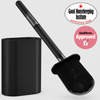
The Moostar Soap Push is built for this:
- Its flexible silicone head has short, dense tips for everyday marks and longer, flexible bristles that bend under the rim.
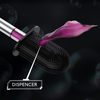
- A cleaner reservoir in the handle releases a little of your usual toilet cleaner through the head as you scrub, which makes a quick daily clean easy. Apply vinegar and descalers directly to the bowl rather than putting them in the handle.
- Silicone is non-porous, so the head rinses clean. Which? says newer silicone brushes "often have an edge" over nylon bristles for this reason.
- The body is 304 stainless steel, which resists rust in a humid bathroom.
It is Good Housekeeping Institute Approved 2026 and GoodHomes Approved, and it won Best Toilet Brush in the woman&home Reader Approved Awards 2026. If you live in a hard-water area, our guide to maintaining your stainless steel toilet brush in a hard water area explains how to keep the brush itself free of scale.
Verdict
Use an acid such as vinegar or a limescale gel, give it time to work, then scrub and flush. Keep pumice for the toughest rings, and never mix bleach with acids. To stop the ring coming back, scrub little and often with a brush that reaches under the rim.
FAQ
What dissolves limescale in a toilet?
Acids. White vinegar, lemon juice and dedicated limescale gels all break down the calcium carbonate in limescale. Bleach disinfects but doesn't remove scale.
Can I leave vinegar in the toilet overnight?
Yes. Ideal Home recommends leaving vinegar overnight for the best results, and Domestos suggests at least three to four hours. Scrub and flush afterwards.
Why does limescale keep coming back in my toilet?
Hard water deposits minerals every time you flush. Regular scrubbing, a monthly vinegar soak and, if needed, a water softener keep it under control.
What is the best toilet brush for limescale?
Choose a brush that reaches under the rim and rinses clean. We recommend the Moostar Soap Push, which has a flexible silicone head, a built-in cleaner dispenser for quick daily cleans and a 304 stainless steel body.