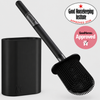
Yes, most homes still need a toilet brush, or at least something that physically scrubs. Gels, tablets and bleach loosen, disinfect or lighten marks, but they don't scrub away dried-on grime, and bleach won't remove limescale. What most people really want to get rid of is the old plastic bristle brush sitting in dirty water. The better alternative is a non-porous silicone brush with a sealed base, such as the Moostar Soap Push.
Why people are asking whether to ditch the toilet brush
"Goodbye to the toilet brush" articles have been doing the rounds all year. House Digest (May 2026) called the toilet brush "an outdated and germ-ridden item", and Hunker (June 2026) argued you don't need one any more. On Mumsnet, threads such as "To think about not having a toilet brush" (135 replies) and "Toilet brushes – what am I missing" (more than 200 replies) are full of people who dislike the look of a used brush and the water that collects in its holder.
Read past the headlines, though, and most of these pieces aren't saying "never scrub your toilet". TheCoolist's "Goodbye to the toilet brush" piece (2 November 2026), for example, recommends switching to a silicone brush because silicone is non-porous and rinses clean. Hunker's first suggestion is also a silicone brush. The real complaint is the traditional bristle brush.
The alternatives, compared
| Option | What it's good for | Drawbacks | Replaces a brush? |
|---|---|---|---|
| Disposable wand and pads | A fresh pad every clean; nothing to store wet | Ongoing refill cost and more waste (Hunker); Mumsnet posters warn about blockages from flushed pads | Partly |
| Gels, rim blocks, cistern tablets | Keeping the bowl fresh and slowing rings and deposits between cleans | Don't scrub; dried-on marks still need agitation | No, they're a top-up |
| Bleach only | Disinfecting | Which? says bleach won't remove limescale, only lightens it; never mix with acidic cleaners | No |
| Pumice stone | Stubborn limescale (suggested by Tom's Guide) | Specialist tool for occasional use; awkward to reach under the waterline | No |
| Bidet or washlet | Rinsing the bowl after use (House Digest) | Cost and fitting; you still need to clean the toilet | No |
| Gloves and a cloth | Very occasional use | Hands close to the bowl; hard to reach under the rim | Barely |
| Silicone brush | Everyday scrubbing, under the rim, rinses clean | Costs more than a basic brush; some bristle-shaped designs are weak on stubborn dirt (Expert Reviews) | Yes |
Disposable toilet wands
Wand systems use a handle with a single-use cleaning pad that you release after scrubbing. They're popular with people who can't face a used brush. But Hunker notes they cost more than silicone brushes over time because you keep buying refills, and they're less environmentally friendly. On Mumsnet, posters warn that pads contribute to blockages if flushed. We compare the two in detail in disposable vs reusable toilet brushes.
Gels, tablets and bleach
House Digest suggests gel cleaners left on the bowl and continuous-release cistern tablets to help prevent rings and deposits. They're useful between cleans, but they work best alongside scrubbing, not instead of it. The British Cleaning Council's Delia Cannings, speaking to Which? in September 2026, describes cleaning as "Flush, Push and Brush": apply cleaner, give it time to work, then brush. Which? also points out that bleach only lightens limescale rather than removing it, and should never be mixed with acid-based products such as limescale removers or vinegar.
Pumice stones and bidets
Tom's Guide suggests a pumice stone, vinegar or a limescale cleaner for stubborn limescale that a quick brush won't shift. That makes a pumice stone an occasional extra rather than an everyday tool. A bidet or washlet can rinse the bowl after use, but it's a bigger investment, and the toilet still needs a proper weekly clean.
Why a better brush beats no brush
The problems people blame on toilet brushes mostly come from bristles. Expert Reviews says bristles are "so tightly packed together that it's impossible to clean them perfectly", so "they need replacing much more often". Which? says newer silicone brushes "often have an edge over traditional nylon bristles", because "silicone is non-porous, so it's less likely to harbour bacteria and grime rinses off it more easily."
The Moostar Soap Push was designed around those complaints:
- Silicone head with long and short bristles that flexes under the rim and rinses clean.
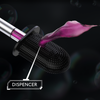
- Cleaner reservoir in the handle. Press to release a little cleaner through the head as you scrub, so you get the "push" step without a separate bottle.
- Sealed base. Drips stay contained in the base instead of reaching the floor. Let the brush drip over the bowl before you put it away, and rinse the base now and then.
- Hands-free head release. One push drops the old head, so you never touch it. Replacement heads are £9.99.
- 304 stainless steel, wall-mounted with the adhesive or freestanding.
It's Good Housekeeping Institute Approved 2026 and won Best Toilet Brush in the woman&home Reader Approved Awards 2026 (9.2/10). For the full pros and cons, read our honest review of the Soap Push. The honest downsides: it costs more than a basic plastic brush, and the reservoir needs topping up.
Verdict
Ditch the old bristle brush, not the brush altogether. Gels, tablets, wands, pumice stones and bidets all have a place, but none of them replaces a tool that scrubs under the rim every week. A non-porous silicone brush that dispenses cleaner and sits in a sealed base fixes the two things people dislike most: grime clinging to the head, and drips around the floor.
Shop the Soap Push: from £17.99, or £25.99 for the Luxe Copper, Gold and Chrome finishes (prices at the time of writing, 12 November 2026), with free next-day UK delivery on orders over £10 and 90-day returns.
FAQ
Can I clean my toilet without a toilet brush?
You can manage for a while with gloves, a cloth, bleach or a disposable wand, but dried-on marks and the area under the rim need scrubbing. For regular cleaning, a brush, ideally silicone, is the most practical tool.
Is it unhygienic to keep a toilet brush in the bathroom?
The bigger issue is how you keep it. Which? recommends letting the brush dry over the bowl for 10–15 minutes before putting it away. Choose a non-porous silicone head, and empty and clean the holder regularly.
What is the most hygienic alternative to a toilet brush?
Most recent coverage, including TheCoolist and Hunker, points to silicone brushes as the cleaner swap for traditional bristle brushes. Disposable wands avoid storing a used head, but they cost more over time and create more waste.
Do toilet gels and tablets mean I don't need to scrub?
No. They help keep the bowl fresh between cleans, but a weekly scrub with cleaner is still the advice from the British Cleaning Council.
Sources
- TheCoolist: Goodbye to the toilet brush (2 November 2026)
- House Digest: The common toilet-cleaning tool experts recommend ditching (7 May 2026)
- Hunker: The simple reason you don't need a toilet brush anymore (June 2026)
- Mumsnet: To think about not having a toilet brush
- Mumsnet: Toilet brushes – what am I missing
- Which?: Expert tips on how to clean your toilet (9 September 2026)
- Which?: Best toilet brushes (18 August 2026)
- Expert Reviews: Best toilet brush
- Tom's Guide: How to clean a toilet and make it look like new
- woman&home Reader Approved Awards 2026: Best cleaning products