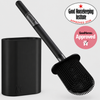
Short answer: for most UK homes, a good reusable silicone toilet brush is the better choice than a disposable "fresh brush" system. Disposable pads are handy if you can't stand the thought of a used brush, but you keep buying refills, you add to waste, and you are flushing (or binning) a pad after every clean. A non-porous silicone brush such as the Moostar Soap Push rinses clean, dries quickly and has a cleaner reservoir in the handle, so it tackles most of the "ick" that makes people look at disposables in the first place.
Why people are asking about disposable toilet brushes
The question keeps coming up on UK forums. On Mumsnet, a long-running thread titled "To be disgusted by toilet brushes and want an alternative" has more than 100 replies, with several posters recommending disposable heads on a reusable handle, and others suggesting silicone brushes as a less grim option. A 2025 Mumsnet thread, "Toilet brushes – what am I missing", asks why a brush sits in its holder dirty after a messy clean.
Mumsnet's own best toilet brushes guide (updated August 2025) mentions disposable systems such as Duck Fresh Brush, but notes "there are environmental concerns around this kind of set up."
How disposable toilet brush systems work
A typical UK example is the Duck Fresh Brush. You clip a single-use cleansing pad onto a handle, wet it in the toilet water to activate the cleaner, scrub, then press a button to drop the pad into the bowl and flush it away. According to Tesco's listing, a pack of 12 Duck Fresh Brush refill pads cost £2.85 (about 24p per pad) at the time of writing (19 October 2026), and the pads are described as flushable.
The downsides of disposables
- Ongoing cost. You need a new pad for every clean. Clean twice a week and that's around 104 pads a year.
- Waste. Every clean produces a used pad. Mumsnet's guide flags the environmental concerns, and US site House Digest makes the same point, adding that reusable brushes work out cheaper over time.
- What goes down the loo. Water UK's long-standing advice is that "only poo, pee and toilet paper should be flushed away." One Mumsnet poster bins used heads rather than flushing them, and another warns against flushing brush heads because of blockages. If you choose disposables, check the pack instructions and your own drains.
- Scrubbing power. House Digest argues that disposables often lack rigidity and can struggle to reach hidden grime, whereas a reusable brush is designed to get under the rim.
Disposable vs reusable silicone: side by side
| Disposable pad system (e.g. Duck Fresh Brush) | Reusable silicone brush (e.g. Moostar Soap Push) | |
|---|---|---|
| What you replace | A pad every clean | The silicone head occasionally (£9.99, or £8.49 on subscription, at the time of writing) |
| Illustrative yearly refill cost* | About £24.70 (104 pads at 24p) | About £20 if you swap the head every six months |
| Cleaner | Built into each pad | Refillable reservoir in the handle, use your own cleaner |
| Waste | One pad per clean | One head every few months |
| Under-the-rim reach | Depends on pad shape | Flexible silicone head bends into the rim |
| Storage | Dry handle only | Brush in a holder; wall-mounted or freestanding |
*Our own illustration based on cleaning twice a week and prices at the time of writing (19 October 2026). Your usage and prices will vary, and the Moostar figure excludes the cost of the cleaner you put in the handle.
Why silicone fixes most of the "gross brush" problem
Most of the disgust with brushes comes from traditional bristles. Expert Reviews says bristle brushes are "so tightly packed together that it's impossible to clean them perfectly", so they "need replacing much more often", while silicone brushes are "much easier to clean than standard bristle brushes." One Mumsnet poster describes silicone as a "totally different animal" that rinses clean if you hold it in the flush.
The Moostar Soap Push builds on that with a flexible silicone head, a 304 stainless steel build, a press-to-release cleaner reservoir, and a one-push, hands-free head release, so you never have to touch the head to replace it. It was named Best Toilet Brush in the woman&home Reader Approved Awards 2026, scoring 9.2/10, with one tester saying: "This product takes having a spotless loo to another level!" It is also Good Housekeeping Institute Approved 2026.
To be fair to disposables: no reusable brush is maintenance-free. You still need to rinse it in the flush, let it drip dry and occasionally clean the holder. And some Mumsnet posters find silicone heads less effective on dried-on marks, so a stubborn stain may still need a soak with cleaner first.
Want the detail on hygiene? Read What the experts say: are silicone toilet brushes more hygienic than bristle brushes? or our honest review of the Soap Push.
Verdict
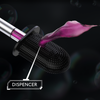
If you only clean a guest loo now and then, or truly can't face a brush, a disposable pad system does the job. For an everyday family bathroom, a reusable silicone brush is likely to cost less over a year, creates far less waste and avoids flushing anything except the three Ps. The Moostar Soap Push adds a built-in cleaner dispenser and a hands-free head release, for disposable-style convenience without the refills.
Shop the Soap Push – from £17.99 at the time of writing (19 October 2026), with free next-day UK delivery on orders over £10.
FAQ
Are disposable toilet brushes more hygienic than normal ones?
You use a fresh pad each time, so there is no used head to store. But a non-porous silicone brush that's rinsed in the flush and left to dry avoids much of the problem with old-style bristle brushes, without the ongoing refills.
Can you flush disposable toilet brush heads?
Some brands describe their pads as flushable. Water UK advises that only poo, pee and toilet paper should be flushed, so some people prefer to bin them. Follow the product instructions and take care if you have old or slow drains.
What is the most eco-friendly way to clean a toilet?
A durable reusable brush with a replaceable head means you only replace a small part occasionally, rather than a pad every clean. Choose a refillable handle so you can use your preferred cleaner.
How often should I replace a silicone toilet brush head?
Replace it when it looks worn, discoloured or misshapen. See our guide on how often to replace your toilet brush.
Sources
- Mumsnet – To be disgusted by toilet brushes and want an alternative
- Mumsnet – Toilet brushes – what am I missing
- Mumsnet – Best toilet brushes (updated August 2025)
- Tesco – Duck Fresh Brush Toilet Cleaner Refills, 12 pads
- House Digest – Disposable toilet brushes aren't giving you the best clean possible
- Water UK – Only flush poo, pee and paper
- Expert Reviews – Best toilet brush
- woman&home – Reader Approved Awards winners: best cleaning products