Last updated: 5 November 2026
The best way to clean a toilet rim without wrecking your brush is to let the cleaner do the hard work first, then finish with a flexible head that bends into the rim rather than one you have to force up under it. Apply a clinging cleaner or descaler right under the rim, leave it to work, then scrub with short strokes and rinse the brush in the flush. Bristle brushes tend to splay and fray when they're jammed against the rim week after week; a flexible silicone head such as the Moostar Soap Push flexes into the curve instead, and when it does eventually wear, you replace just the head.
Why the rim is so hard to clean
The underside of the rim curves back on itself, out of sight, and it's where flush water runs out, so residue and limescale build up there first. Wecasa's cleaning guide calls it the place "where dirt hides out of sight". Which? considers it important enough that, when testing toilet brushes, it applies its test mixture "both inside the toilet bowl and up under the rim".
Why brush heads fray after a few months
Nylon and plastic bristles bend every time they're pushed up into the rim at an angle, and over time they stay bent. A frayed, splayed head reaches the rim less well, so you push harder and the cycle speeds up. Fraying is also a hygiene signal: cleaning business owner Jason Shipway told ABC News to replace a brush "if the bristles are fraying and it's visibly discoloured and it's not coming out with a soak with some bleach or a disinfectant". In the same piece he put conventional nylon and plastic brushes at a few months of use and silicone at up to about two years.
How to clean under the rim: step by step
- Glove up and lower the water (optional). Pouring a bucket of water quickly into the bowl pushes the water level down, exposing more of the bowl so cleaner isn't diluted.
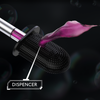
- Apply cleaner under the rim. Squeeze a thick gel or descaler right up under the lip, all the way round. With the Soap Push, you can also press the handle to release a little cleaner through the head as you go. Never mix products: Wecasa warns "Never mix bleach with toilet cleaner". Use one product at a time and flush in between.
- Let it dwell. Wecasa suggests 5 to 10 minutes for a routine clean. For brown limescale, it recommends a limescale cleaner or citric acid in warm water left for an hour, or overnight for stubborn stains. Soaking kitchen roll in white vinegar and pressing it up under the rim keeps it in contact with the scale.
- Scrub with short, angled strokes. Tilt the brush up into the rim and work round the bowl, letting the head flex into the curve. Don't jam it in hard; if a spot won't shift, add more cleaner and leave it longer rather than forcing the head.
- Flush and rinse the brush in the clean water. Hold the head in the flush stream so debris rinses away. Close the lid before flushing.
- Let it drip-dry over the bowl. Which? suggests wedging the handle between the seat and the rim so the head is suspended over the bowl. Then return it to the holder; the Moostar holder is a sealed base, so any remaining drips stay contained rather than reaching your floor.
Bristle vs flexible silicone for the rim
| Traditional bristle brush | Moostar Soap Push | |
|---|---|---|
| Reaching under the rim | Stiff head has to be forced up at an angle | Flexible silicone head with long and short bristles bends into the curve |
| Wear | Bristles splay and fray; a few months of use (Shipway, via ABC News) | Silicone up to about two years (Shipway, via ABC News); replaceable head |
| Keeping it clean | "Impossible to clean them perfectly" (Expert Reviews) | Non-porous, grime "rinses off it more easily" (Which?) |
| Cleaner | Separate bottle | Built-in reservoir, press to release through the head |
| When it wears | Replace the whole brush | Swap the head (£9.99) |
Moostar prices at the time of writing, 5 November 2026.
Other rim tools worth knowing about
Some brushes add a dedicated rim section: Expert Reviews describes rim cleaners that "stick up so that it can reach underneath the rim of the toilet bowl", such as the OXO Good Grips brush with rim cleaner. Expert Reviews also notes that weak, bristle-shaped silicone heads can struggle with stubborn dirt, so firmness and shape matter. The Soap Push's mix of long and short bristles is designed to reach and scrub, but heavy, set-in limescale will still need a descaler and dwell time with any brush. Our guide to getting rid of limescale in a toilet covers that in detail.
The verdict
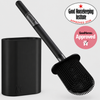
A clean rim comes from good technique, not brute force: cleaner under the lip, time to work, then a flexible head with short angled strokes. That approach is also kinder to your brush. The Moostar Soap Push makes it easier with a flexible silicone head, cleaner released through the head, a 304 stainless steel handle and a replaceable head, and it's Good Housekeeping Institute Approved 2026 and the woman&home Reader Approved Awards 2026 Best Toilet Brush winner. Honest cons: it costs more upfront than a basic brush, the reservoir needs topping up, and replacement heads are an ongoing cost.
Shop the Soap Push: Stainless Steel, Black and Grey £17.99; Luxe Copper, Gold and Chrome £25.99; brush + spare head bundle £25.88 (at the time of writing, 5 November 2026). Free next-day UK delivery on orders over £10.
Looking for a brush recommendation? See the best hygienic toilet brushes that reach under the rim.
FAQ
Why does my toilet brush fray so quickly?
Nylon and plastic bristles bend each time they're forced up under the rim and eventually stay splayed. Using cleaner and dwell time first, and a flexible silicone head, reduces the strain.
How do I clean limescale under the toilet rim?
Apply a limescale cleaner or citric acid solution under the rim and leave it for an hour, or overnight for stubborn stains, then scrub and flush. Never mix bleach with other toilet cleaners.
Can a silicone toilet brush clean under the rim?
Yes, if the head is flexible enough to bend into the curve and firm enough to scrub. The Moostar Soap Push head flexes under the rim and can release cleaner through the head as you scrub.
How often should I replace my toilet brush head?
Expert Reviews recommends every six months, or sooner if it's frayed or discoloured. See how often to replace a toilet brush.