Summary
Bathrooms may look clean, but germs spread easily through flushing, touch, and even cleaning tools. Old toilet brushes can hold bacteria, making things worse. Simple habits and better tools, like modern silicone brushes, can help keep your bathroom truly clean without much extra effort.
Cleaning a bathroom is one of the most essential home maintenance tasks. You know it, but still fail to keep it fresh and bacteria-free due to a busy schedule. A rush cleaning may make your bathroom look clean, but it can still be one of the germiest places in your home.
You can’t see germs, but they are everywhere. Some of them can make you sick. You may already know that E.coli and other bacteria grow in damp places. And bathrooms are perfect for germs. There is water, warmth, and many surfaces you and your family members touch every day. This makes it easy for germs to grow and spread without you even noticing.
Remember, cleaning is not just making things look nice; it is about removing germs in the right way. If you don’t know how germs actually spread in a bathroom, then you may not be able to find the right ways to remove them.
Don’t worry! As a game-changing toilet brush supplier, we will discuss how germs actually spread and how to stop them. But before that, here is something we want you to know:
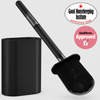
Moostar Silicone Toilet Brush: Featured in Good Housekeeping
We are thrilled to announce that Moostar silicone toilet cleaning brush has been featured in Good Housekeeping. It is one of the most trusted publications for housekeeping products. They recently looked at our toilet brush, and the review is focused on how this $20 toilet brush is changing bathroom cleaning.
The review talked about how traditional toilet brushes use thick bristles that can trap dirt and water. Over time, these bristles can hold germs and become hard to clean. This means the tool itself may not stay very hygienic.
“I found the flexible silicone head great for reaching under the rim and deep into the bowl with a high level of control.” — Good Housekeeping
The review does not just showcase the features of our toilet brushes; it shows a bigger idea. It gives you a glimpse of how Moostar brushes are improving bathroom cleaning and reducing germs in simple ways. You can read the full article by clicking here.
Let’s jump into the main topic!
Exploring the Biggest Germ Hotspots in Your Bathroom
Germs are not just in one place. They are spread all around your bathroom. Some spots are worse than others. Let’s find out the hotspots:
1. Toilet Bowl & Rim: This is one of the biggest germ hotspots in a bathroom. Germs from waste stay here and can spread during flushing. That’s why cleaning it properly is not an option; it is a must.
2. Sink Handles and Taps: You touch these with dirty hands before washing. That means germs stay on them.
3. Door Handles: Many homeowners forget this. But everyone touches the handle when entering and leaving.
4. Toothbrush Holders: These stay wet often. Water drops and germs collect here easily.
5. Cleaning Tools: This one will surprise you. The things you use to clean your bathroom, especially the traditional toilet brushes. They are hard to clean and often accumulate germs over time. Sometimes, it can be the dirtiest item in your bathroom.
Understanding How Germs Actually Spread in a Bathroom
Honestly, germs can be everywhere in your bathroom, and they can make all of your family members sick. Here is a detailed breakdown of how germs spread.
1. Making Toilet Plume a Mediator: When you flush the toilet, tiny drops of water can spread into the air. This is sometimes called the “toilet plume.” These drops can land on nearby surfaces like sinks, floors, or even your toothbrush.
2. Moving with Your Hand: Yes, you read it right. Germs spread through touch. If you touch a dirty surface and then touch something else, germs move with your hand.
3. Accumulating in the Cleaning Tools: Cleaning tools can also spread germs. If a brush or cloth is already dirty, using it again can move germs instead of removing them. This problem is common with traditional toilet brushes.
4. Finding the Perfect Places: Wet places help germs grow faster. A damp brush or cloth left in the corner becomes a perfect place for bacteria.
The Common Problems with Traditional Toilet Brushes
Most homeowners use the same kind of toilet brush. Most probably, you are also using the traditional brush. These brushes have thick bristles, a plastic handle, and a simple holder. But they have problems.
1. The Bristles Trap Things: Not just dirt, but also water and bacteria. After cleaning, the brush often stays wet, even if you shake it.
2. Hard to Clean Properly: If you are using a traditional toilet brush, you know it well. Over time, it can smell bad and spread germs. This is one of the main reasons you may change your toilet brushes very often, right?
3. Poor Drying and Storage: Many brushes sit in closed holders. This keeps them damp for longer. And damp means more bacteria.
How Moostar’s Game-Changing Toilet Brushes Help Remove Germs
When bathroom cleaning may seem daunting, our toilet brushes are designed to improve your experience and toilet cleaning results. Here’s how our brushes help remove germs from your bathroom:
1. Using Replaceable Silicone Brush Heads: As mentioned earlier, thick bristles often accumulate germs. That’s why Moostar Luxe Copper Toilet Brush V.2 uses a replaceable silicone head that cleans effectively. It does not trap dirt the same way. When you rise it, most of the dirt washes away quickly.
2. Including an In-Built Soap Dispenser: Unlike traditional brushes, our game-changing toilet brushes come with an in-built soap dispenser. It means you just press the push button and the soap will release from the brush, and then you can clean your toilet bowl easily. It helps you maintain hygiene and remove germs effectively.
3. Making the Brush Cleaning Easier than Ever: As you know, improper brush cleaning often spreads germs. Moostar V.2 Silicone And (Grey) Stainless Steel Toilet Push Brush is easier to clean. A quick rinse is often enough to prevent it from becoming a source of germs.
Germs in the bathroom are normal. Every home has them. But that doesn’t mean you leave it like that. When you know where germs hide and how they move, you can stop them more easily. A few simple habits and better tools can make a big difference. You don’t need perfect cleaning; just smarter cleaning. And that is enough to keep your space healthier every day.
FAQs
1. How do germs spread in the bathroom?
Germs spread through flushing, touching surfaces, and using dirty cleaning tools. Tiny water droplets from flushing can also land on nearby areas and spread bacteria.
2. What is the dirtiest place in the bathroom?
Most people think it is the toilet, but items like sink handles, door handles, and even toilet brushes also hold a lot of germs if not cleaned properly.
3. How often should I clean my bathroom?
Light cleaning should be done daily, like wiping surfaces. A deeper clean, including the toilet and tools, should be done at least once a week.
4. Can a toilet brush spread germs?
Yes, if it stays wet and dirty. Traditional brushes can trap bacteria, which may spread germs when used again.
5. What kind of toilet brush is more hygienic?
Brushes made with silicone are usually more hygienic. They don’t trap dirt as much, are easier to rinse, and dry faster compared to regular bristle brushes.